Urban Wildlife
Nature’s Resilience in a Changing World
Wildlife is not always found in the farthest corners of the earth. Often, it thrives right where we least expect it, adapting to the shifting boundaries between the natural and the modern world. This project explores the beauty and resilience of bird species that share our landscapes, capturing moments of stillness and survival amidst an ever-evolving environment.
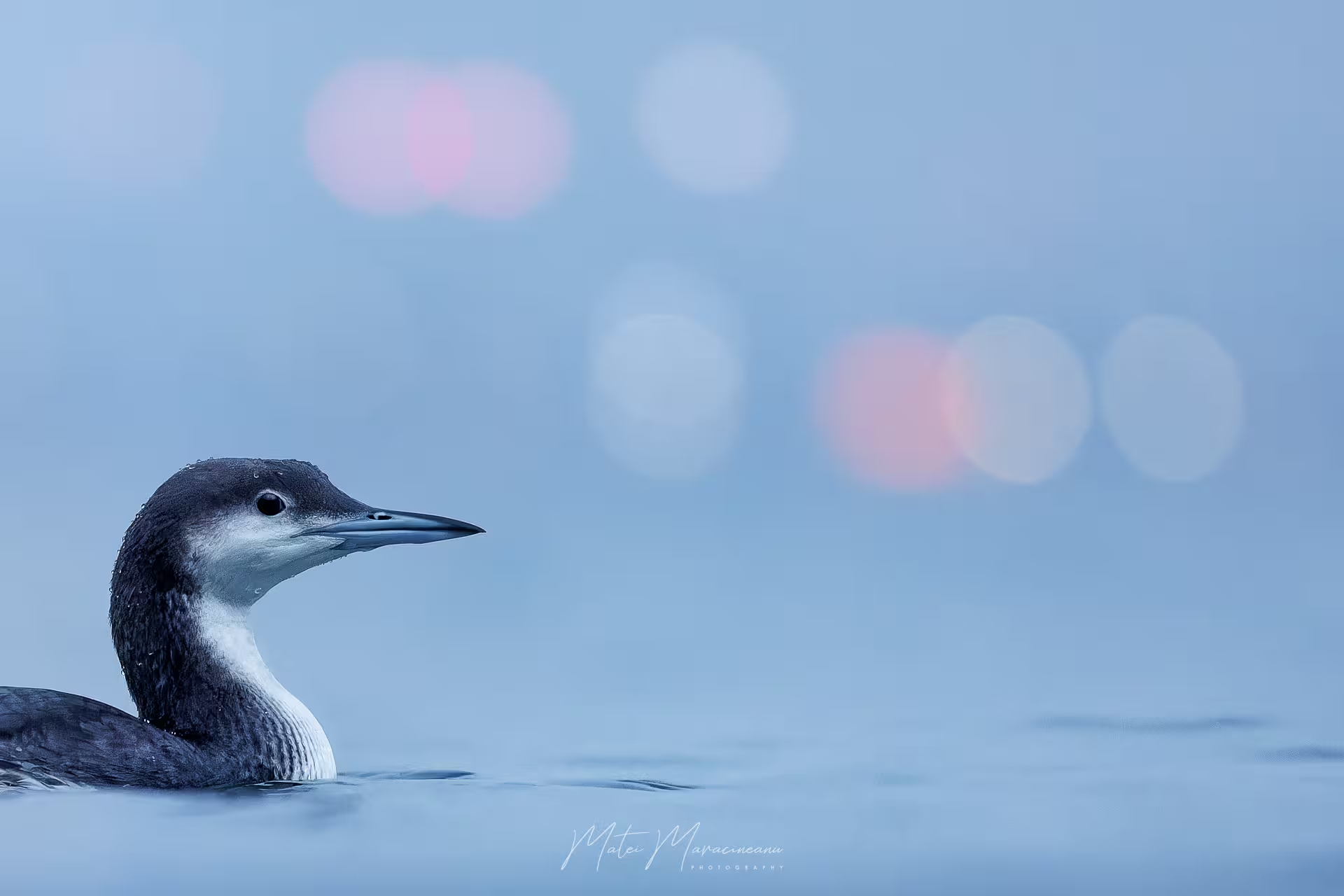
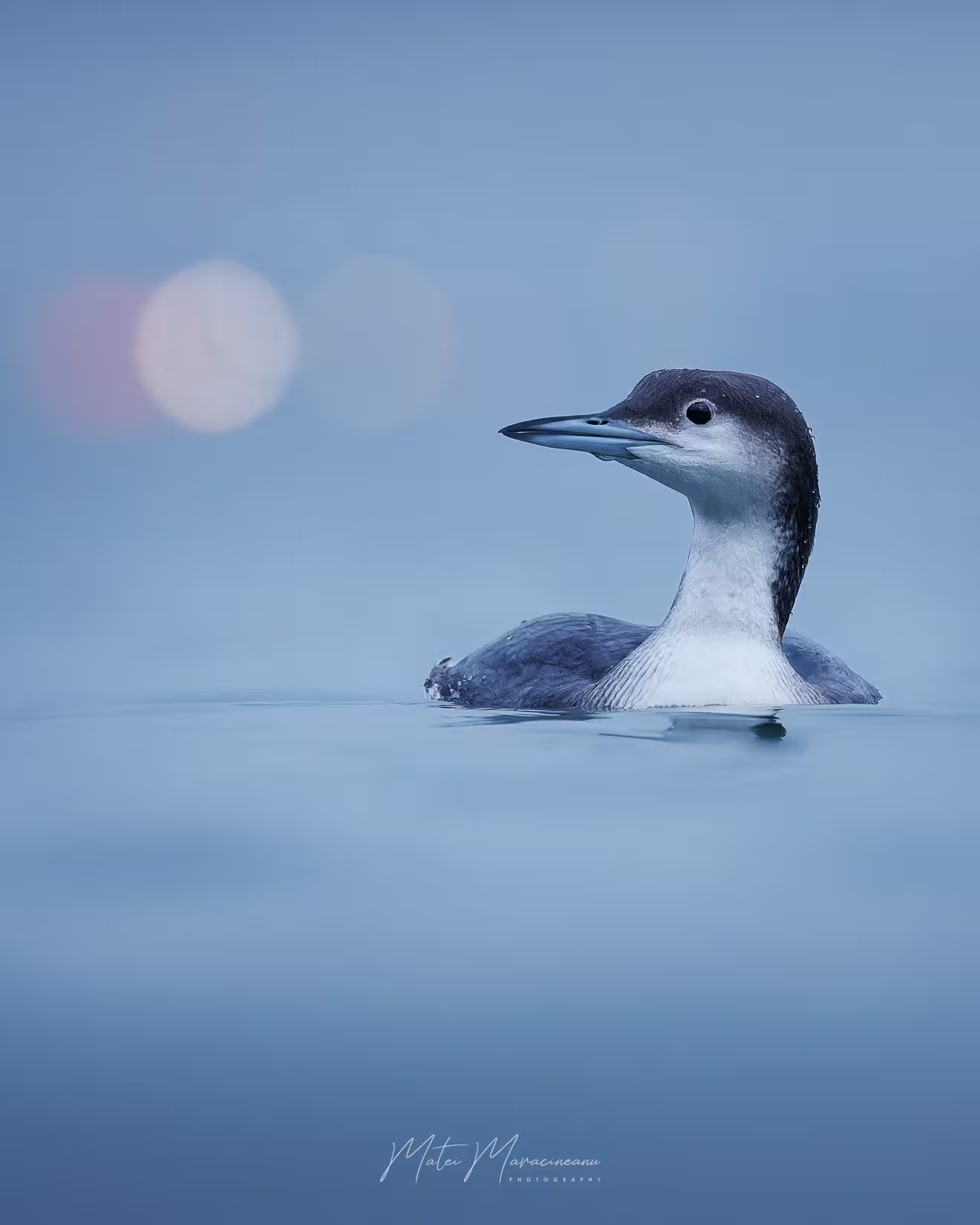
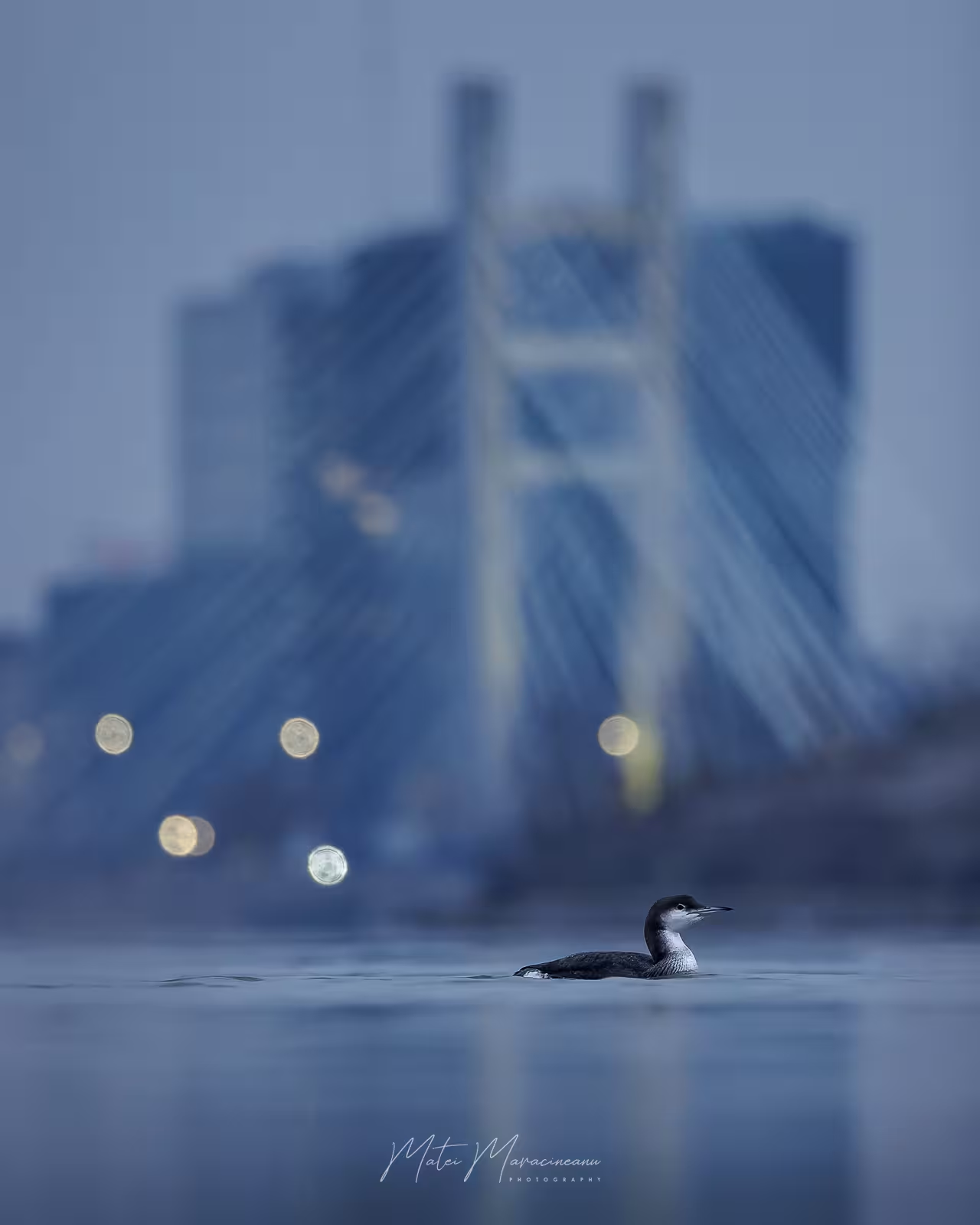
Black-throated loon (Gavia arctica)

Species Profile:
The Black-throated Loon, a medium-sized aquatic diver, is a true masterpiece of northern evolution. Its scientific name carries a simple yet evocative etymology: the genus Gavia stems from Latin, historically referring to an unidentified seabird, while the specific epithet arctica points directly to its northern, Arctic origins. During the breeding season, the adult presents an unmistakable silhouette: a smooth, slate-grey head and hindneck, a velvet-black throat patch reflecting subtle iridescent hues, and a striking "necklace" of white longitudinal stripes. Its upperparts are dominated by a complex, geometric pattern of white transverse bars against a deep black mantle. However, as winter approaches and the bird migrates south, this dramatic plumage is traded for a more cryptic, grey-brown coat, as the distinctive white bands and black throat patch disappear. With a body length ranging from 63 to 75 cm and a wingspan of up to 122 cm, it is a powerful presence on the water, weighing anywhere between 1,300 and 3,400 grams.
The species maintains a vast Palearctic distribution, spanning the boreal and tundra zones of Europe and Asia, with significant breeding populations in Scandinavia, Finland, and Northern Russia. While it is not a breeding species in Romania, it is the most common loon to visit our inland waters and the Black Sea coast during the cold season. Their phenology is tied to the ice; they winter wherever large bodies of water remain unfrozen, often appearing in small, isolated groups on reservoirs or slow-flowing rivers. Their habitat requirements are specific: during summer, they seek deep, fish-rich lakes with vegetated islands for nesting, while in winter, they adapt to any large, open water surface. As a primarily ichthyophagous species, its diet consists mostly of fish, though it is opportunistic enough to consume amphibians, crustaceans, mollusks, and occasionally aquatic vegetation.
Reproduction begins in April, with solitary pairs constructing nests from plant material in secluded spots near the water's edge. A typical clutch consists of 1 to 3 eggs, with an incubation period of 28 to 30 days. The chicks are relatively slow to develop, taking about 60 to 65 days to fledge. While the global population is estimated between 275,000 and 1.5 million individuals—leading to a "Least Concern" classification—the European breeding trend is unfortunately declining. Major threats include habitat degradation due to industrial development and human disturbance from tourism in breeding areas. In their wintering grounds, like those found in our region, they face risks from food scarcity due to pollution and accidental entanglement in fishing gear.
Photographer’s Note:
"For me, this project is about the silent connection between these winter travelers and the urban environment we both share. Photographing them was a profound experience; they only visit us during the coldest months, and spending time with them in the freezing mist felt like a lesson in coexistence. I wanted these images to capture that precise, fragile balance where the wild, ancient presence of these birds meets the glowing, modern pulse of our city. Each frame is a testament to how these two worlds—often thought of as separate—actually overlap in the most unexpected ways during the winter season. Through these captures, I hope to shed light on the often unseen Urban wildlife that finds sanctuary in our waters, proving that even in the heart of civilization, the spirit of the Arctic remains close by."

Common kestrel (Falco tinnunculus)

Species Profile:
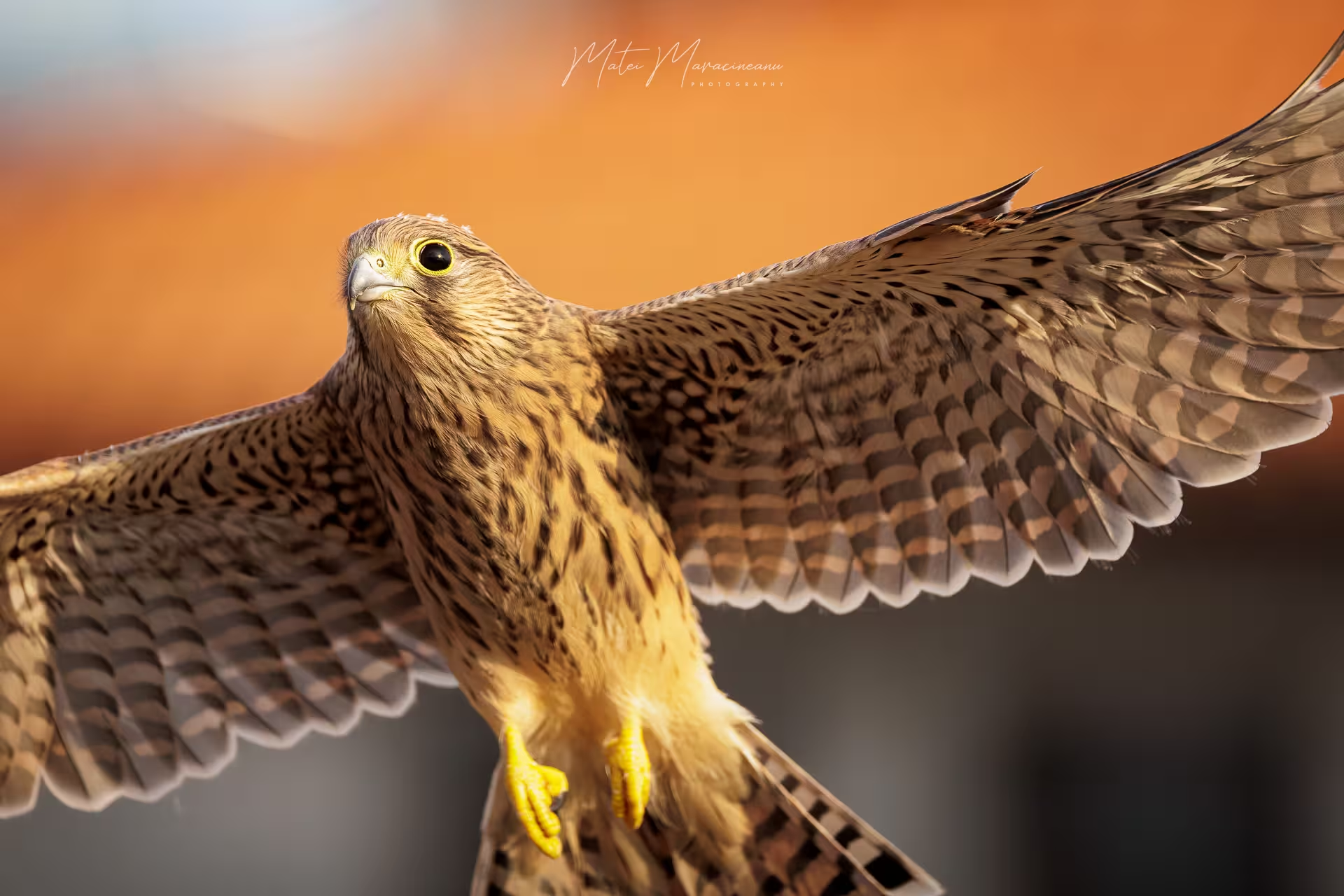
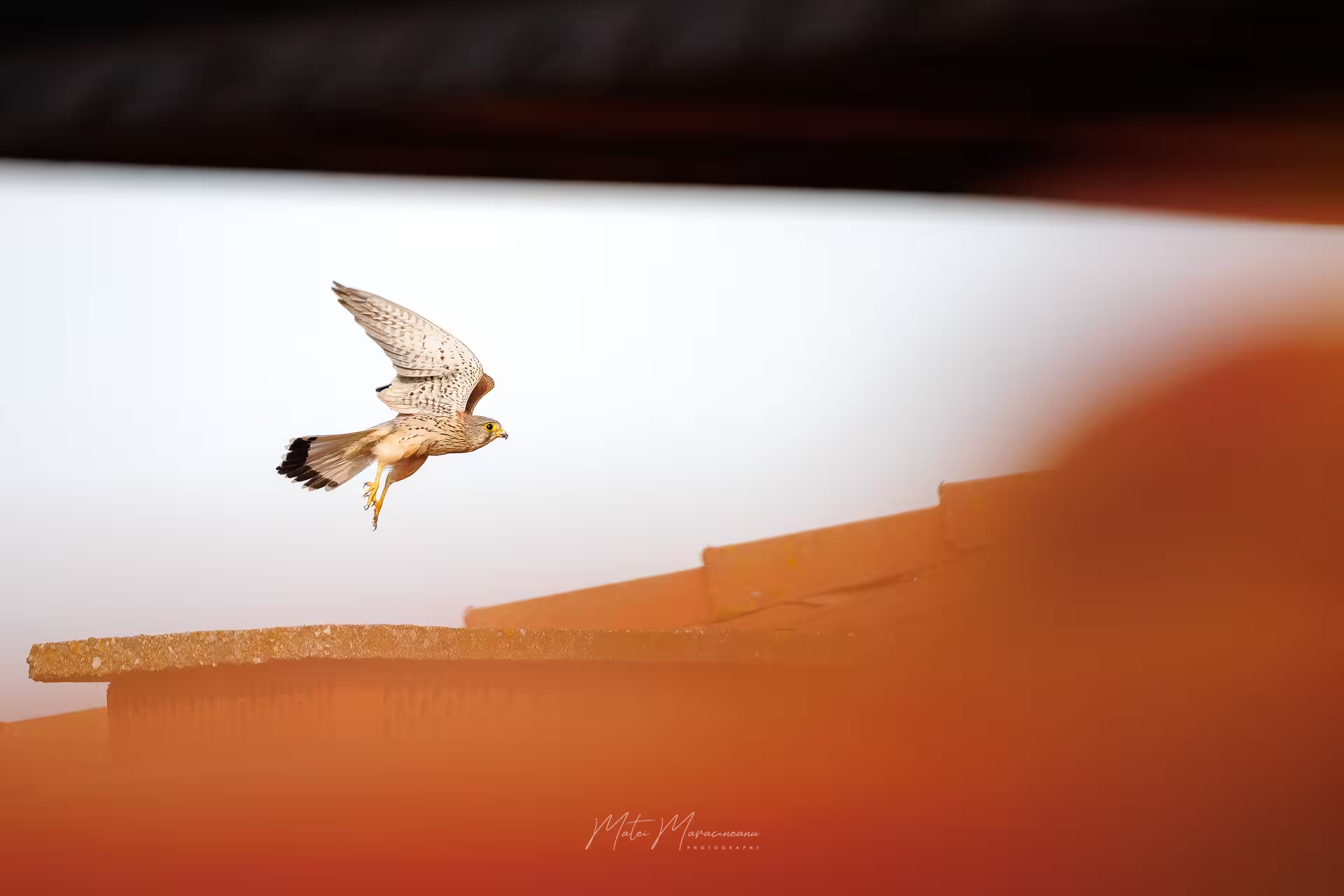
The Common Kestrel, a small-sized bird of prey, is a master of the open skies, blending agility with a striking appearance. Its scientific name, Falco tinnunculus, carries a functional etymology: the genus Falco stems from the Latin flectere (to bend or curve), likely referring to its sharp, hooked talons, while the specific epithet tinnunculus derives from tinnulus, meaning "sounding" or "shrilling," a nod to its vocal nature. While both sexes share a general reddish-brown dorsal plumage, they exhibit distinct sexual dimorphism: the male boasts a more intense coloration and a refined slate-grey head, whereas the female’s head remains brown. Their underparts are significantly lighter, marked by dense, dark spots. With a compact body length of 31 to 37 cm and a wingspan of 68 to 78 cm, this raptor weighs between 136 and 314 grams, making it a lightweight yet formidable hunter.
The species maintains a vast Palearctic distribution, stretching from Western Europe to Eastern Asia and Japan, reaching as far north as Scandinavia and Central Siberia, and spanning across Africa (excluding the Sahara), India, and the Philippines. In Romania, the Kestrel is a widespread breeder, found in diverse landscapes ranging from the Danube Delta and its floodplains to high-altitude alpine meadows. Its phenology in the region is generally sedentary or partially migratory; birds from northern populations move south during winter, their movements dictated largely by the depth of the snow cover. Their habitat requirements are flexible: they favor open areas such as pastures, meadows, and traditional agricultural mosaics with mature trees, orchards, or forest edges, though they have also adapted to urban environments, frequently nesting in city parks.
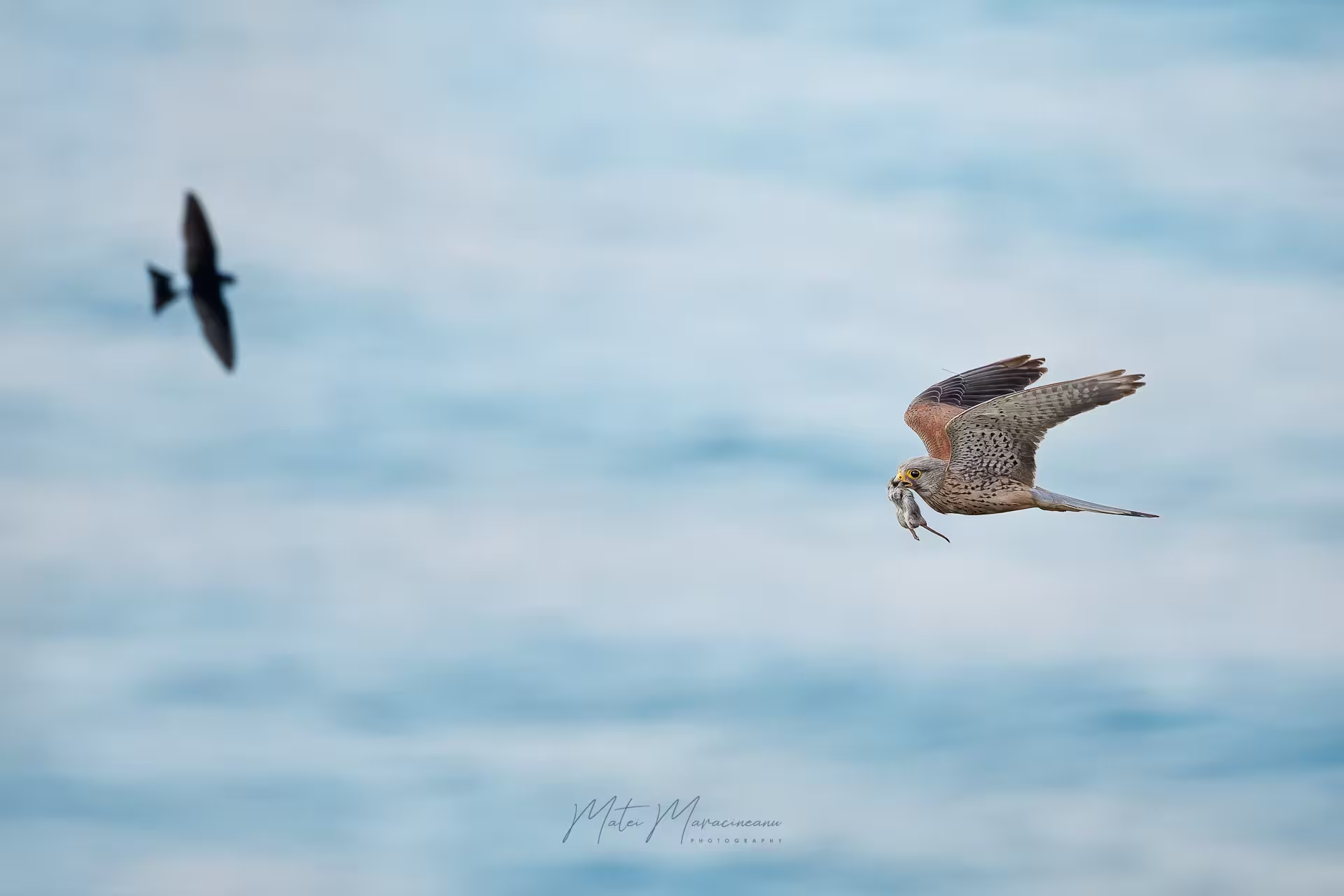
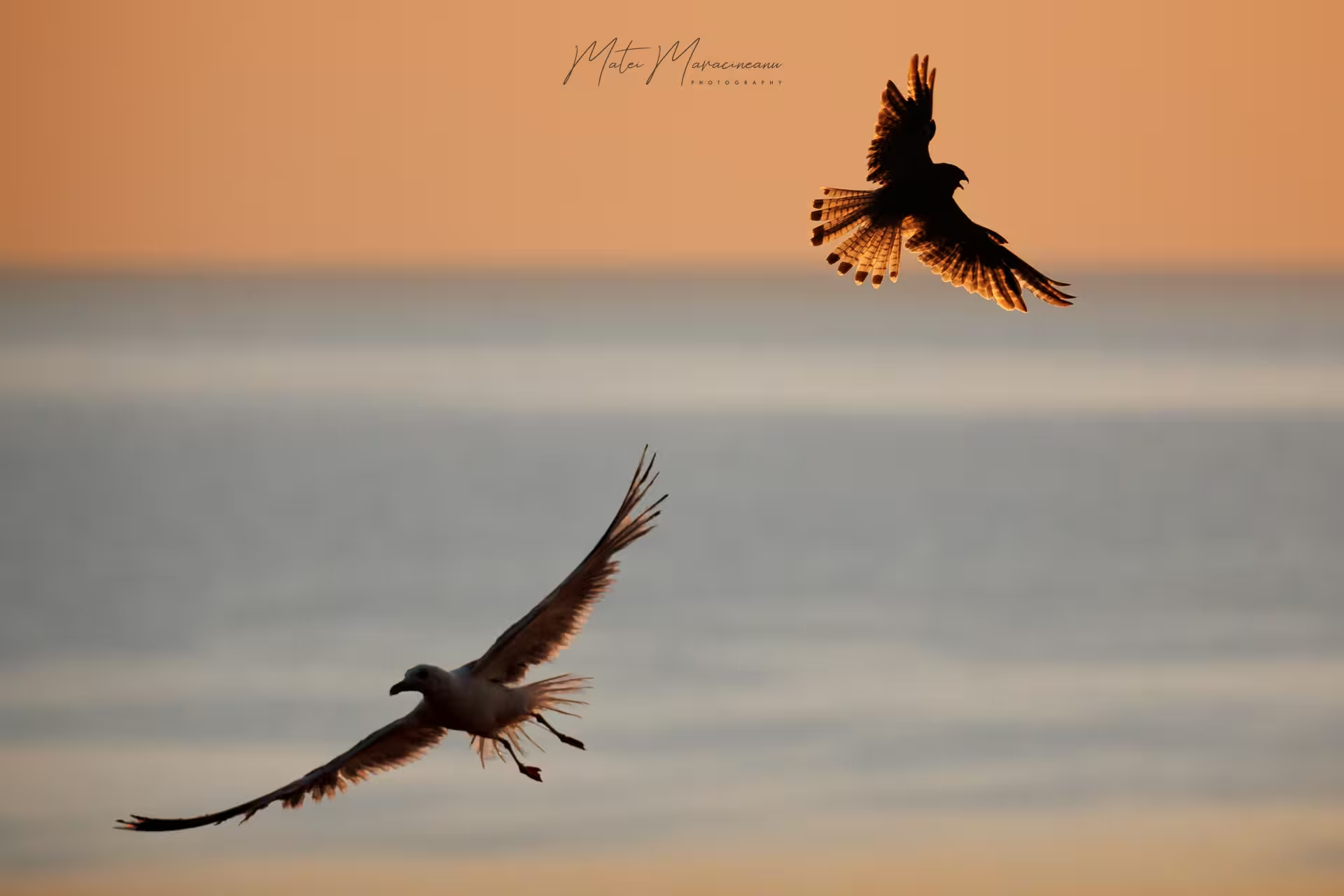
A specialist of the "hover," the Kestrel is renowned for its hunting technique—flying at a fixed point a few meters above ground with rapid wingbeats and a fanned-out tail—a behavior that earned it the Romanian name vânturel. While it primarily feeds on rodents, its diet is opportunistic, including reptiles, small birds, and insects. In Northern and Central Europe, micro-mammals are its main prey, whereas in Southern Europe and North Africa, large insects dominate its diet. Breeding begins in March or April, with solitary pairs occupying abandoned nests of other species (especially Corvids) or utilizing ledges on cliffs, walls, and buildings. A typical clutch consists of 3 to 6 eggs, incubated by the female for 27 to 31 days, with the young fledging after about 27 to 35 days.
Despite a large global population estimated between 4.3 and 6.3 million individuals, the European population (estimated at 409,000 – 603,000 pairs) is currently showing a declining trend. In Romania, where 20,000 to 50,000 pairs reside, the trend is unfortunately mirrored. The primary threats are rooted in modern agricultural practices: the widespread use of pesticides reduces vital food sources like insects and rodents, while the intensification of agriculture and the conversion to monocultures pose significant long-term challenges to the species' survival.
Photographer’s Note:
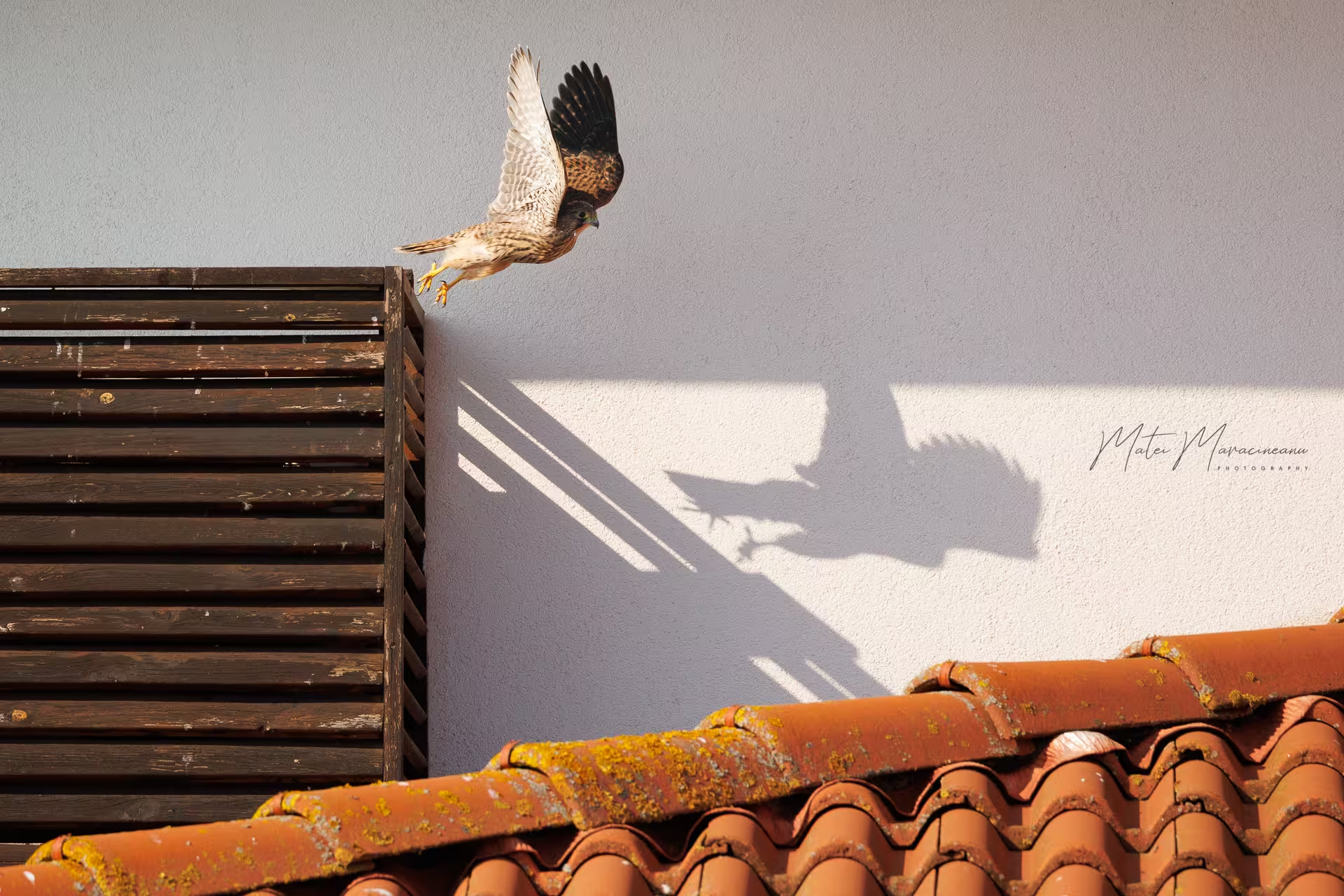
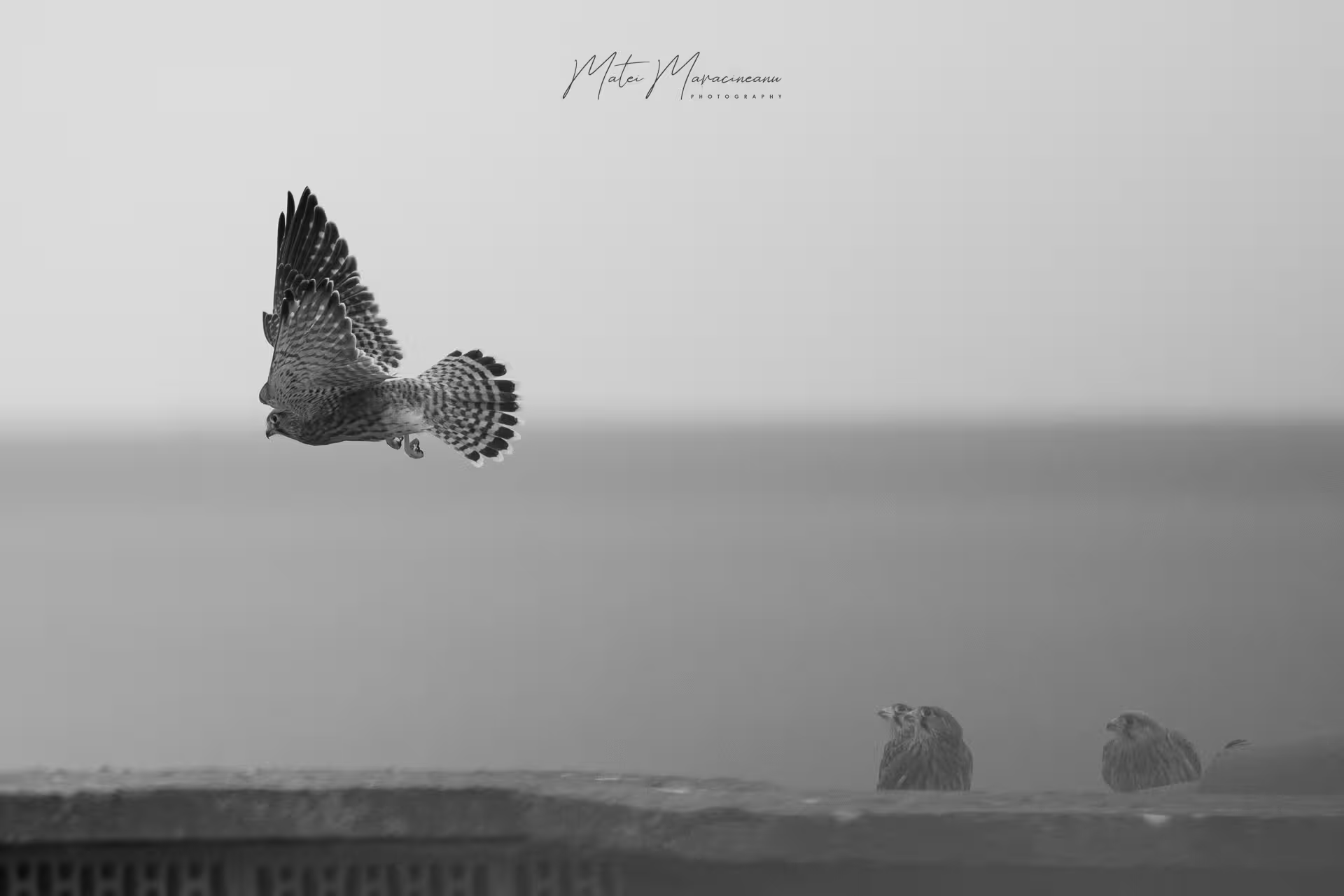
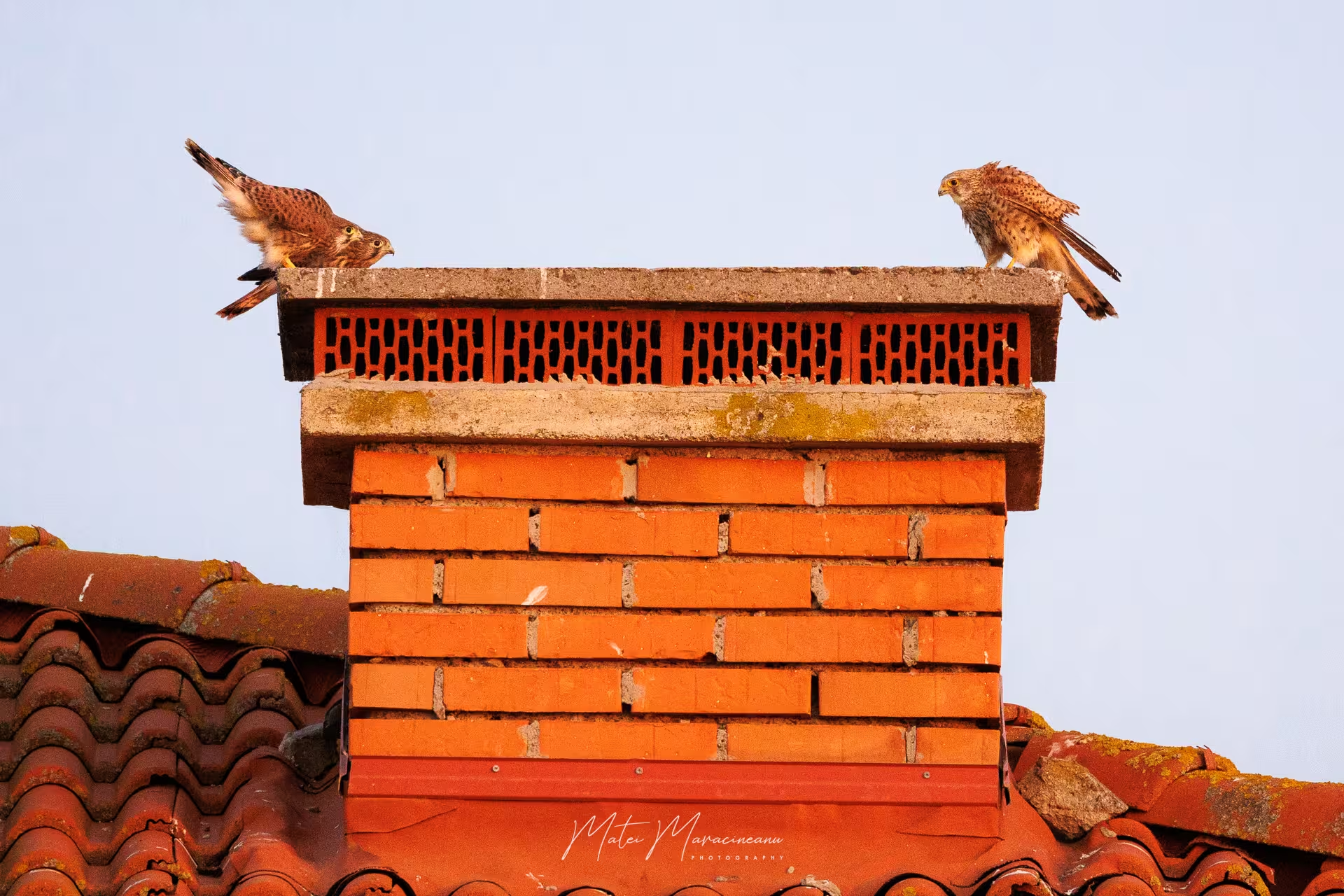
"This series was born during a family seaside holiday in Bulgaria, where I found myself staying on the top floor of a building that offered a front-row seat to a remarkable urban survival story. It started with a familiar, shrill call—the unmistakable sound of a Common Kestrel. After a moment of keen observation, I spotted the male delivering a mouse not to a traditional cliffside or hollow tree, but directly into the wooden casing of an air conditioning unit. The sudden chorus of frantic cries from within confirmed it: a nest was hidden right there, amidst the hum of machinery.
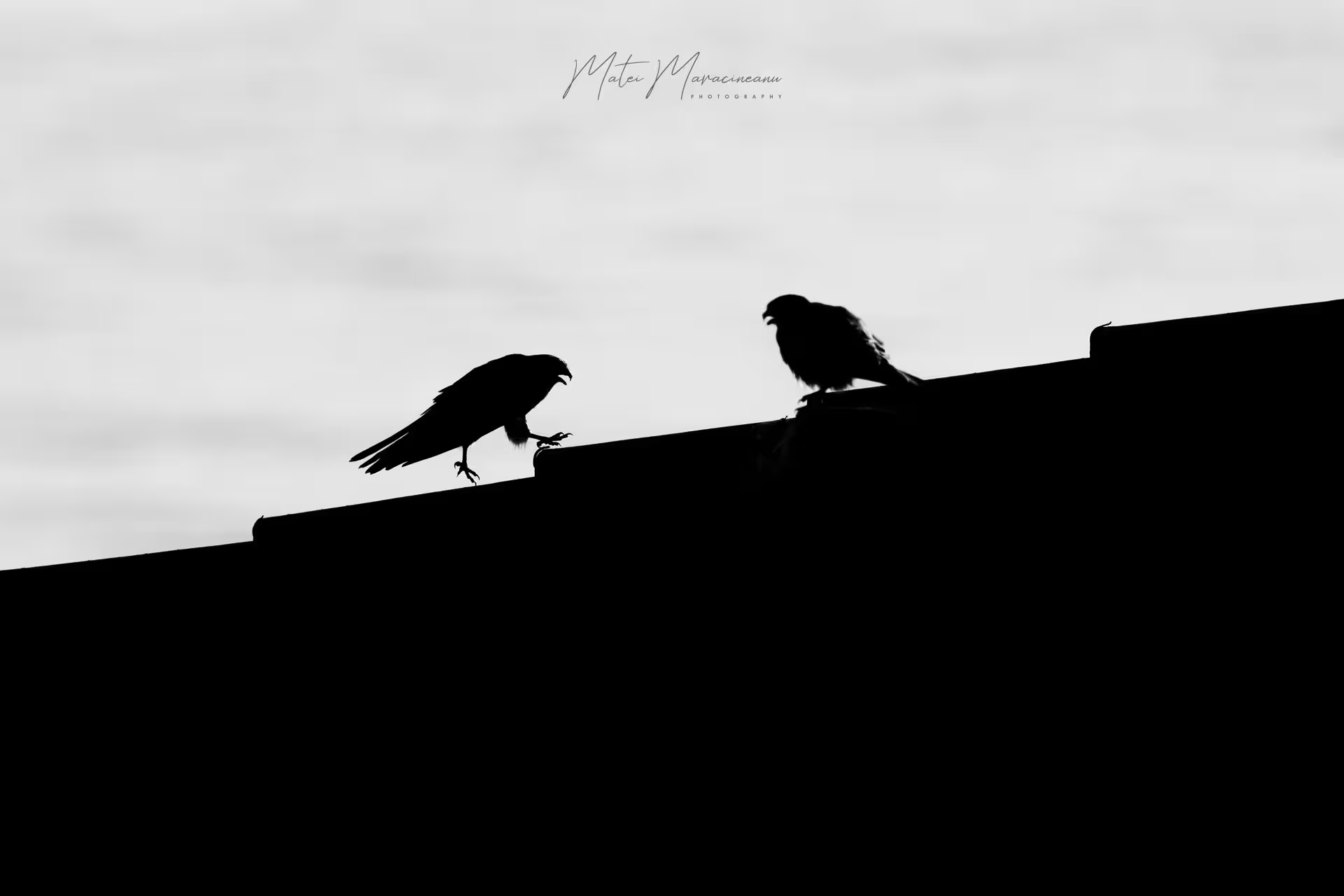
For the following days, I disciplined myself to wake before sunrise, watching this family of five juveniles as they stood on the threshold of independence. I felt incredibly fortunate to witness their first clumsy yet determined flight lessons—the frantic wing-flapping exercises on the ledge followed by their eventual mastery of the air. Once they took flight, the neighborhood chimneys became their new vantage points.
Through these photographs, I aimed to highlight the core of Urban wildlife: the profound resilience and adaptability of nature. In a world of concrete and cables, these kestrels have reclaimed the human landscape, turning our functional structures into their sanctuaries. It is a visual testament to how 'wild' and 'urban' are no longer separate realms, but a single, evolving ecosystem where life finds a way to thrive in the most unexpected corners."